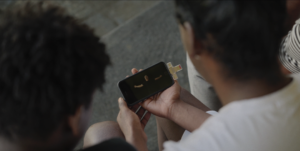

They had never heard the gospel, but they were curious about the voice.
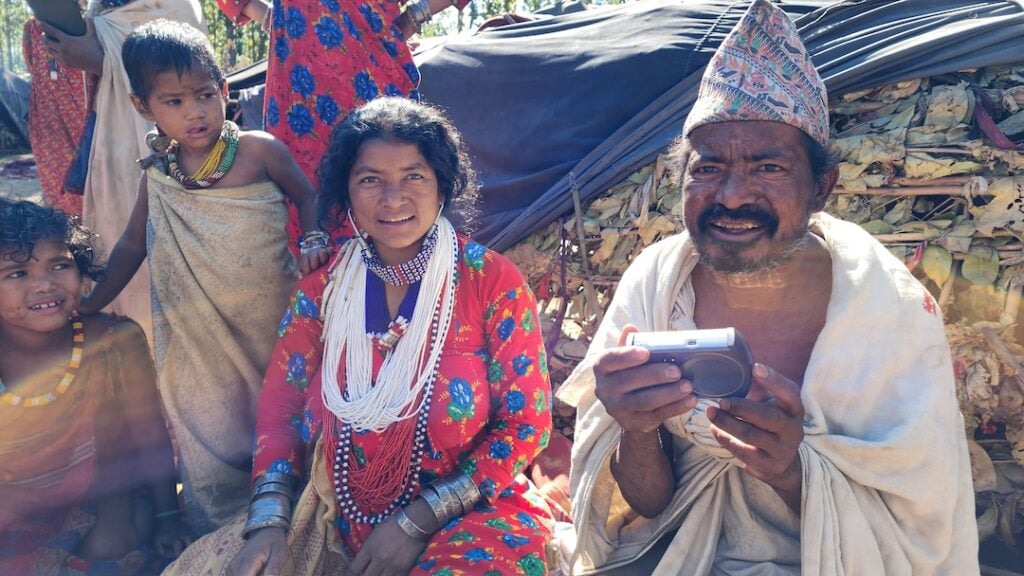
That was clear the moment the Audio Bible came out. Deep in western Nepal, among the Raute, a nomadic tribe with no known Christian believers, curiosity moved through the group before a single passage was played. They gathered close. They asked what it was. And when they learned it carried the story of Jesus in a language they understood, they wanted more.
Reaching them was not simple. The road from Kathmandu to Surkhet stretches for hundreds of kilometers and offers no comfort on the way—just long, rutted roads, dust, and the kind of jolting travel that reminds you how far some people still are from even the most basic access to Scripture. Beyond the roads, the Raute live in and around the jungle, moving as they need to, living close to the land, hunting, gathering, and keeping to a way of life few outsiders know.
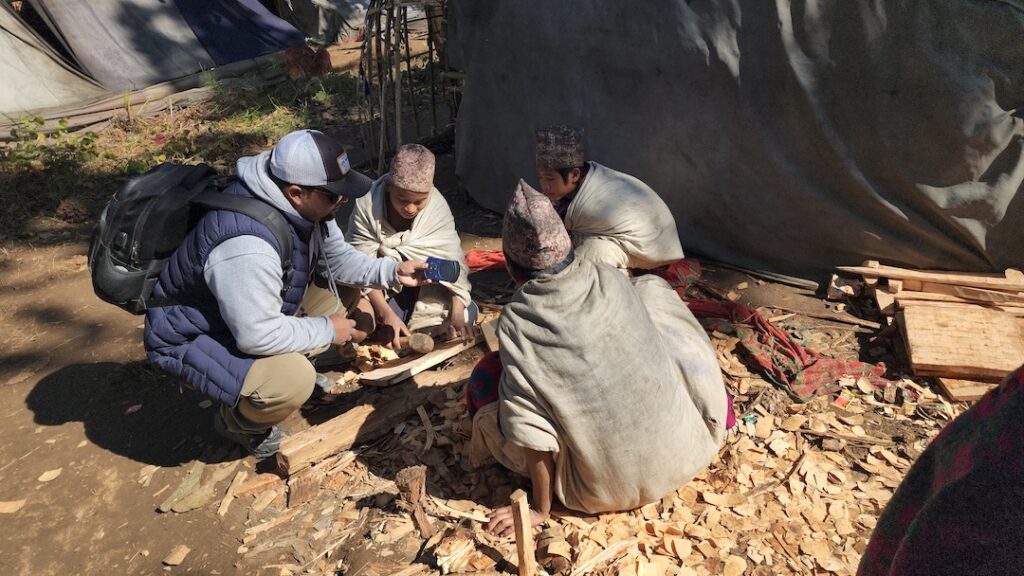
When one of our partnering missionaries, Kumar, first visited them, he immediately saw how deep the need was. The Raute worship the jungle, the trees, and the soil. Jesus was not one more name among many. For most of them, He was a Name they had never heard at all.
And that is what made the moment so striking.
Kumar held in his hands one of Renew’s Audio Bibles, a simple tool designed for people who cannot read (or perhaps do not learn best by reading) printed Scripture. The Raute people cannot easily be reached through books. Many are illiterate, since formal education is not a part of their culture. A printed Bible, no matter how precious, would remain closed in their hands. But this was different. This could speak.
He explained what the device contained. The Bible. Good News. This device could tell them the Story of Jesus in a language they understood. They leaned in. They wanted to know what it said. They wanted to hear.
For people with little access to roads, schools, or other resources, that small device changed the entire starting point. The gospel no longer had to wait for literacy. It no longer had to depend on someone reading aloud every time. Now it could remain with them, speaking their language, even after the missionary had gone.
This was the first distribution.
Kumar plans to return once a month, carrying seven to ten Audio Bibles at a time into one village after another. It is patient work. And though it may not be fast, it is often how the kingdom begins in places that have never heard—one journey, one conversation, one listening group, one voice speaking from an Audio Bible in the middle of the jungle.
What encouraged Kumar most was not simply that they received the Audio Bible, but that they engaged with it. They did not dismiss it or turn away. They listened. And for a tribe with virtually 0% Christianity, that matters.
The Raute in this area are no more than a thousand people. For generations they have lived apart, carrying traditions and beliefs rooted in the world around them. Now, through the faithful return of a missionary and a couple of Audio Bibles, an unreached people now have their first real access to the gospel.
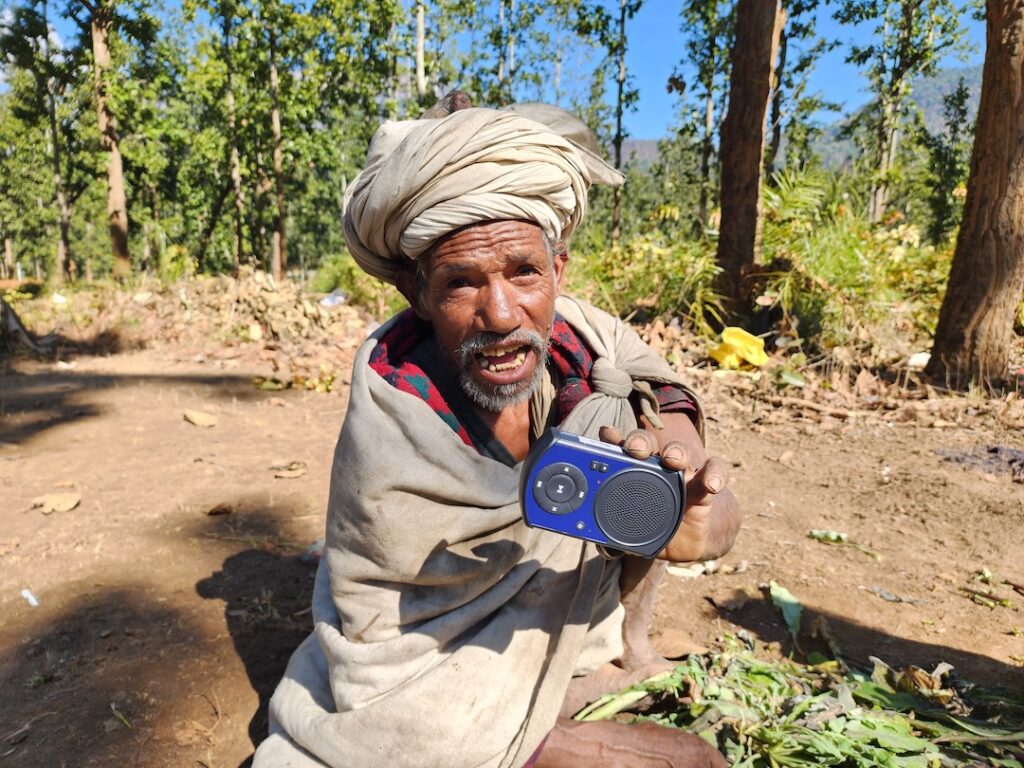
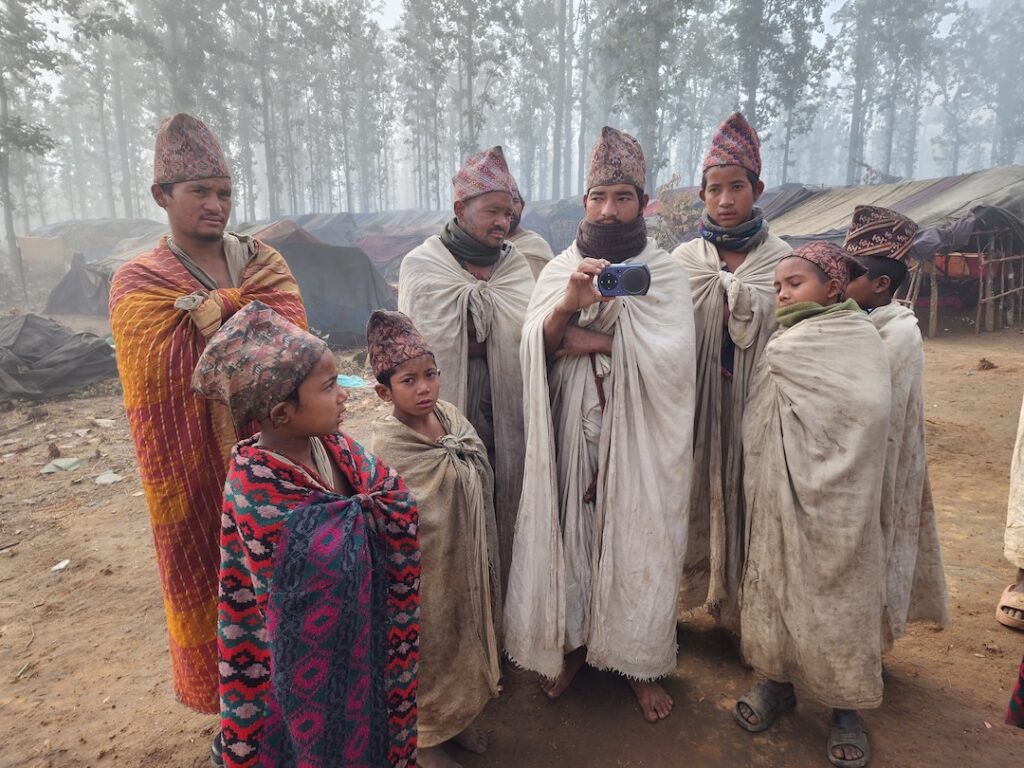
In places like this, the challenge is not only spiritual hunger. It is access. If Scripture arrives only in print, many cannot use it. If it depends only on one-time visits, the message leaves when the missionary does. But when the Word of God is placed in a form people can actually hear and keep, it stays with them, in the village, in the daily rhythm of life.
That is why tools that give people access matter on the mission field. Not because they replace the work of the missionary or the ministry, but because they extend their reach. It empowers them to share the gospel and disciple others.
There are still people groups, like the Raute, who have never had real access to the story of Jesus. Click below to give Bibles to those who have never heard the gospel.